Performing Umrah during Ramadan is a deeply meaningful experience for Muslims. The holy month provides an opportunity to strengthen faith, seek forgiveness, increase good deeds, and develop a closer connection with Allah (SWT). Visiting Makkah and Madinah during this blessed period allows pilgrims to combine the spiritual benefits of Ramadan with the significance of performing Umrah.
However, preparing for this journey involves more than arranging accommodation and travel documents. Spiritual preparation is equally important because it helps pilgrims approach the pilgrimage with sincerity, patience, and a clear understanding of its religious significance.
Whether you are traveling alone or with family, here are some practical ways to prepare spiritually for Umrah during Ramadan.
Renew Your Intention Before Travelling
The first step towards spiritual preparation is to make a sincere intention (Niyyah). Remind yourself that you are travelling from the UK to Makkah to worship Allah, seek His forgiveness, and fulfil an act of devotion. Before departure, explore suitable Umrah Packages 2027 from the UK to plan your flights, accommodation, and other travel arrangements in advance. This will help you prepare for a smooth journey and focus on the spiritual purpose of your pilgrimage.
Take some time before departure to reflect on your intentions and identify areas of your life where you would like to improve. Avoid approaching Umrah simply as a holiday or sightseeing experience. Instead, focus on the religious purpose of your visit.
You can also make personal duas, asking Allah to accept your efforts, make the journey easier, and allow you to return with stronger faith.
Learn the Rituals of Umrah in Advance
Understanding the steps of Umrah before arriving in Makkah can help you perform each ritual with confidence and concentration. Pilgrims should familiarise themselves with the essential stages, including:
- Ihram: Entering the sacred state of Ihram with the appropriate intention and observing its restrictions.
- Tawaf: Circling the Kaaba seven times in an anticlockwise direction.
- Sa’i: Walking seven circuits between the hills of Safa and Marwah.
- Halq or Taqsir: Shaving the head or trimming the hair to complete Umrah.
Learn the relevant duas and understand what each ritual represents. You do not need to memorize a specific dua for every movement during Tawaf. You can also make personal supplications and remember Allah throughout the process.
Reading a reliable Umrah guide or attending a preparation session before traveling can make the experience more organized.
New to Umrah? Our first time Umrah guide for pilgrims explains each step in simple words.
Increase Quran Recitation and Understanding
Ramadan is closely associated with the Quran, making it an ideal time to strengthen your relationship with the Holy Book. Try to develop a regular recitation routine before traveling so that it becomes easier to maintain during your stay in Saudi Arabia.
You can set a realistic daily target, such as reading a few pages after Fajr or dedicating time to Quran recitation after Taraweeh prayers.
Alongside recitation, try to understand the meaning of the verses. Reading translations and brief explanations can help you reflect on the guidance of the Quran and apply its teachings to everyday life.
If you are traveling with family, consider arranging a short daily Quran session together. This can encourage everyone to participate in worship and make the experience more meaningful.
Make Dua and Seek Forgiveness Regularly
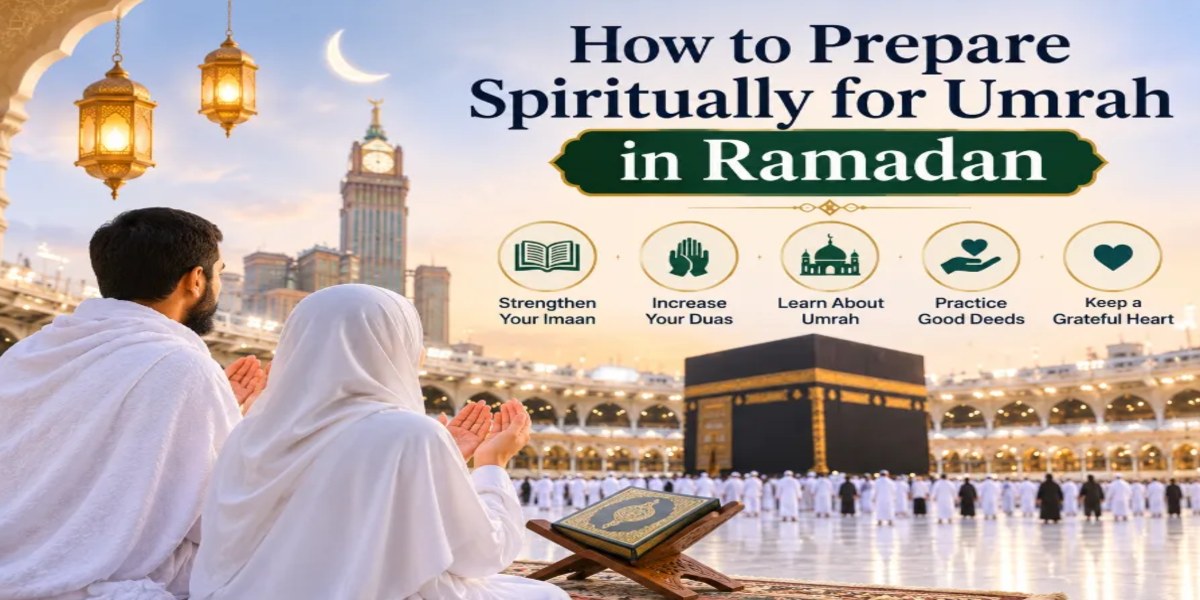
Dua is an important part of a Muslim’s spiritual preparation. Before leaving for Umrah, take time to ask Allah for forgiveness, guidance, good health, and acceptance of your worship.
Prepare a personal list of duas for different aspects of your life. You may include supplications for:
- Forgiveness for past mistakes and shortcomings.
- Good health and protection for your family.
- Guidance and strength in practicing Islam.
- Ease for those facing difficulties.
- Peace, patience, and blessings in your daily life.
- Acceptance of your Umrah and other acts of worship.
Try to develop the habit of making Istighfar regularly by saying Astaghfirullah. You can also send Salawat upon Prophet Muhammad (PBUH) throughout the day.
Remember that sincere dua does not require complicated words. You can speak to Allah in your own language and express your needs with humility.
Prepare Yourself for Fasting and Patience
Performing Umrah during Ramadan can be physically demanding, particularly when fasting, attending prayers, and completing the pilgrimage rituals. Therefore, preparing yourself mentally and spiritually for the challenges is important.
Practice patience in your daily routine and remind yourself that crowded areas, waiting times, and tiredness may be part of the experience.
Avoid unnecessary arguments and remain considerate towards other pilgrims. Small acts of kindness, such as helping an elderly person, sharing space, or guiding someone who is lost, can also become valuable acts of worship.
If you have health concerns or are unsure whether fasting is suitable for you while traveling, seek advice from a qualified healthcare professional and consult a knowledgeable Islamic scholar about the relevant religious guidance.
Build Good Habits Before Your Journey
Rather than waiting until you reach Makkah, start developing positive Islamic habits at home. This will help you maintain a consistent routine during Ramadan.
Some useful habits include:
- Offering all five daily prayers on time.
- Performing additional voluntary prayers where possible.
- Reading the Quran every day.
- Making regular Dhikr and Istighfar.
- Giving charity and helping people in need.
- Avoiding gossip, arguments, and unnecessary distractions.
These practices can gradually prepare your mind and heart for the spiritual atmosphere of Makkah and Madinah.
Plan Your Ramadan Umrah Journey Carefully
Spiritual preparation should go hand in hand with practical travel planning. Ramadan is one of the busiest periods for Umrah, so UK pilgrims are encouraged to arrange their journey well in advance to secure suitable flights, accommodation, and travel services.
When comparing Ramadan Umrah Packages from the UK, consider important details such as hotel locations in Makkah and Madinah, flight options from UK cities, accommodation arrangements, local transport, Saudi visa assistance, and the level of support provided throughout your stay.
Before travelling, organize your daily schedule around obligatory prayers, Quran recitation, rest, and other acts of worship. Avoid filling every day with unnecessary activities. Allow yourself enough time for reflection, worship, and the spiritual experience of Ramadan in the holy cities.
Maintain Your Spiritual Connection After Umrah
The benefits of Umrah should not end when you return home. One of the most important parts of this experience is maintaining the positive changes you develop during the pilgrimage.
Continue offering daily prayers, reading the Quran, making Dhikr, and giving charity. Try to avoid returning to habits that you worked hard to leave behind.
You can also reflect on your experience and identify the lessons you learned during Ramadan. Whether it is becoming more patient, improving your relationship with family, or strengthening your connection with Allah, make a conscious effort to carry these changes into everyday life.
Final Thoughts
Preparing spiritually for Umrah in Ramadan allows pilgrims to approach this blessed journey with a sincere heart and a stronger understanding of their responsibilities as Muslims. Learning the rituals, increasing Quran recitation, making dua, practicing patience, and developing good habits can all contribute to a more meaningful experience.
While practical arrangements are important, remember that the real purpose of Umrah is worship and seeking closeness to Allah. Prepare your heart before departure, make the most of your time in Makkah and Madinah, and keep practicing the lessons of Ramadan long after you return home.